
The Framework Behind the Racing
Greyhound racing in the UK operates within a regulatory and welfare framework that has evolved significantly over the past two decades. The sport’s governing body, the GBGB, oversees licensing, race integrity, and welfare standards at every licensed track. Statutory regulations introduced in 2010 gave the framework legal force, and the work of rehoming organisations has addressed the post-racing future of retired dogs. This article explains how that framework works — what it requires, who enforces it, and where it stands today. Stay informed at greyhoundderbyfinal.
The GBGB: Licensing, Integrity, and Oversight
The Greyhound Board of Great Britain is the self-regulatory body for licensed greyhound racing, succeeding the National Greyhound Racing Club in 2009. It licenses tracks, trainers, kennel staff, and racing officials, and it sets the rules that govern every aspect of the sport from grading and race conditions to drug testing and disciplinary procedures.
Licensing is the foundation of the system. A GBGB-licensed track must meet minimum standards for track safety, veterinary provision, kennel facilities, and race management. Trainers require a licence that involves kennel inspections, adherence to welfare codes, and ongoing compliance checks. The licensing process creates accountability: if a trainer or track falls below the required standards, the GBGB has the authority to suspend or revoke the licence, effectively removing them from the regulated sport.
Race integrity is maintained through a combination of drug testing, form monitoring, and stipendiary stewards who attend meetings to ensure rules are followed. Drug testing is conducted by independent laboratories, with samples taken from dogs both before and after racing. Positive tests trigger disciplinary proceedings that can result in fines, suspensions, and disqualification of results. The integrity framework is designed to ensure that the races betting customers wager on are genuinely competitive and free from manipulation.
Injury reporting has become a central element of the GBGB’s operations. Tracks are required to report all injuries sustained by greyhounds during racing or trialling, and the GBGB publishes aggregate data on injury rates. This transparency was introduced in response to public and media pressure for greater openness about the physical risks dogs face, and it has provided the statistical basis for targeted safety improvements — track surface maintenance, bend modifications, and changes to race management protocols aimed at reducing the most common injury types.
The GBGB operates under the broader oversight of the UK Gambling Commission, which regulates the betting industry and requires that racing sports receiving levy funding maintain appropriate governance and welfare standards. This relationship gives the regulatory framework a connection to the commercial engine of the sport — the betting industry — and creates a financial incentive for maintaining standards, because levy funding depends on public and regulatory confidence in the sport’s integrity.
Welfare Standards and the 2010 Regulations
The Welfare of Racing Greyhounds Regulations 2010 introduced the first statutory welfare framework for the sport. Prior to 2010, welfare standards were set and enforced by the GBGB (and its predecessor) as a self-regulatory matter. The 2010 Regulations gave specific welfare requirements the force of law, making compliance a legal obligation rather than an industry guideline.
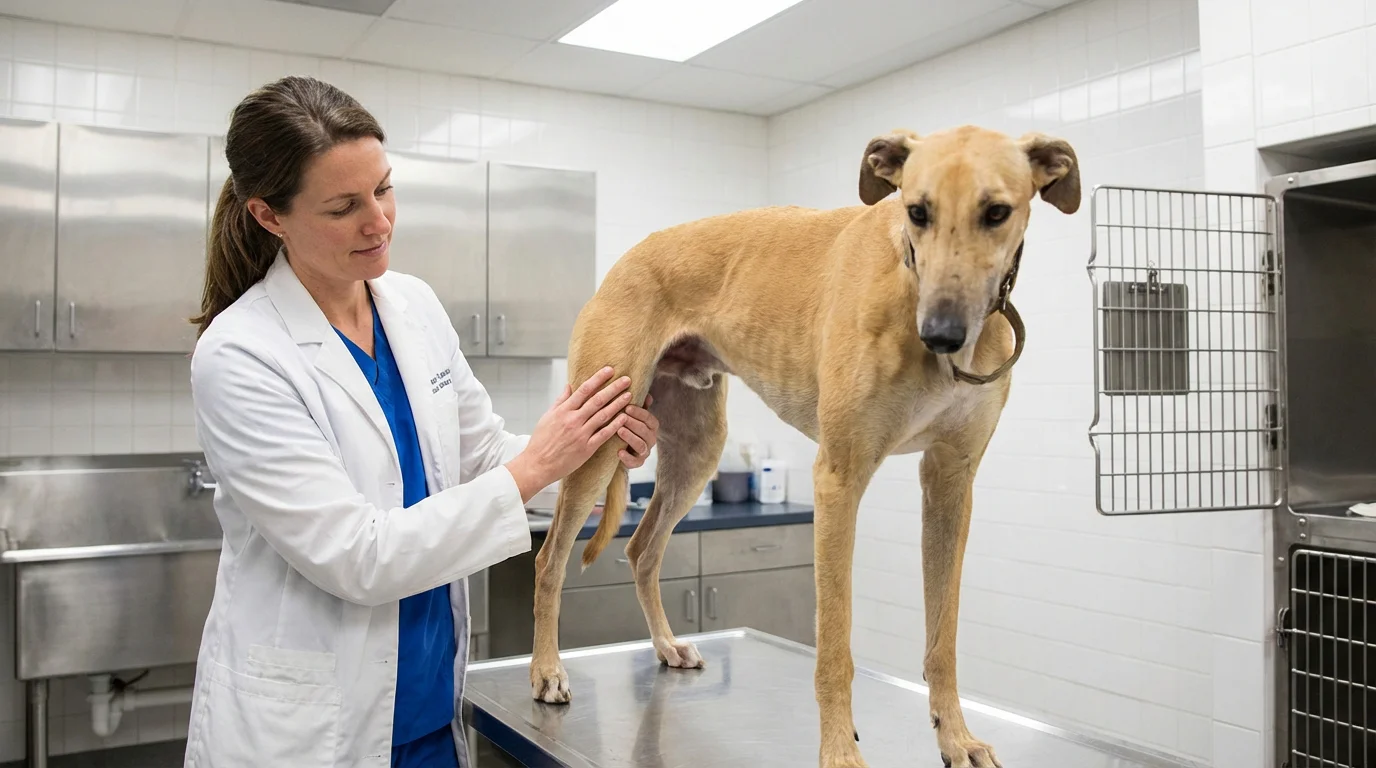
The regulations cover kennel conditions, veterinary care, track safety, and the responsibilities of trainers and track operators towards the dogs in their care. Minimum kennel sizes, bedding standards, exercise requirements, and feeding protocols are specified. Tracks must have a qualified veterinary surgeon present during racing, and injured dogs must receive immediate treatment. These requirements are enforced through inspections conducted by local authorities, with the GBGB assisting in monitoring compliance.
The regulations also address the issue of traceability. Every racing greyhound in the UK must be registered and identified through an ear-tattoo and microchip system that tracks the dog from birth through its racing career and into retirement. This traceability framework is designed to prevent dogs from disappearing from the system — a concern that predates the regulations and that campaigners had highlighted as a significant welfare gap in the unregulated era.
Since 2010, the GBGB has introduced additional welfare measures that go beyond the statutory minimum. These include enhanced injury data collection, the funding of welfare and rehoming initiatives through the Greyhound Commitment (a voluntary pledge by bookmakers to contribute to welfare costs), and the establishment of the Greyhound Retirement Scheme, which mandates that trainers provide for the post-racing future of every dog that leaves their kennel.
Retirement and Rehoming: Life After Racing
The post-racing future of greyhounds is the welfare issue that has attracted the most public attention. A racing greyhound’s career typically spans two to four years, and with thousands of dogs retiring from the sport annually, the scale of the rehoming challenge is substantial. The industry’s response has involved a combination of dedicated organisations, financial support, and regulatory requirements aimed at ensuring that every retired racing greyhound finds a home.
The Greyhound Trust is the sport’s primary rehoming charity, operating a network of branches across the UK that take in retired greyhounds, assess their suitability for domestic life, and match them with adoptive families. The Trust has rehomed tens of thousands of dogs since its founding and remains the largest single rehoming operation for the breed. Its work is funded through a combination of GBGB grants, bookmaker contributions, and public donations.
Beyond the Greyhound Trust, a network of independent rescue organisations operates across the UK, providing additional rehoming capacity and filling gaps in geographic coverage. These smaller organisations often specialise in dogs with specific needs — older dogs, dogs with injuries, or dogs that require extended socialisation before they’re ready for a domestic environment. The combined effort of the Trust and the independents creates a rehoming infrastructure that, while not without gaps, represents a significant improvement on the ad-hoc arrangements that preceded it.
The GBGB’s retirement scheme requires trainers to submit a retirement form for every dog that leaves their kennel, documenting the dog’s destination — whether it’s been rehomed directly, transferred to a rehoming organisation, returned to its owner, or retired to a breeding programme. This paper trail is the traceability mechanism in practice, creating an auditable record that connects each dog’s racing career to its post-racing outcome.
Public attitudes towards greyhound welfare have shifted markedly in recent years, and the sport has responded with greater transparency and investment. Whether the current level of effort is sufficient is a matter of ongoing debate among welfare organisations, industry bodies, and the public. What is clear is that the regulatory and rehoming framework that exists today is materially different from — and materially better than — what existed twenty years ago, and that the direction of travel continues towards higher standards and greater accountability.
Welfare Is Part of the Sport — Not Separate from It
For punters, the welfare and regulatory framework is not an abstract concern. It’s the system that ensures the races you bet on are conducted fairly, that the dogs competing are healthy and properly cared for, and that the sport operates with enough integrity to deserve your participation and your money. A well-regulated sport is a trustworthy sport, and a trustworthy sport is one where form analysis and betting skill can be applied with confidence. Also read our legal information.
The framework is imperfect — no self-regulatory system is complete, and public scrutiny rightly continues to push for improvements. But the structure is there: licensing, welfare regulations, injury reporting, drug testing, traceability, and a rehoming infrastructure that gives retired dogs a path to life beyond the track. Knowing that structure exists — and that it’s enforced — is part of engaging with the sport responsibly.
